

























In this section you will find professional equipment for butcher's shops and delis, organised by stage of work: cutting and portioning, mincing, meat preparations, cured meats and display, knives and hygiene. The machines are mainly Fimar, with accessories from Paderno, Hendi and Bisetti.
What you need to equip a butcher's shop
1. Cutting and portioning
To cut bone-in meat you need a bone saw: the range includes the Fimar 1550, 1830 and 2020 three-phase models, with replacement band blades. To slice meat and cured meats there are Fimar vertical, gravity and flywheel professional slicers. To flatten escalopes you will find stainless steel meat tenderisers.
2. Mincing
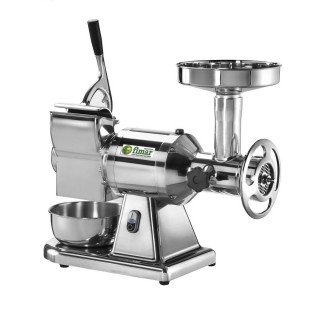
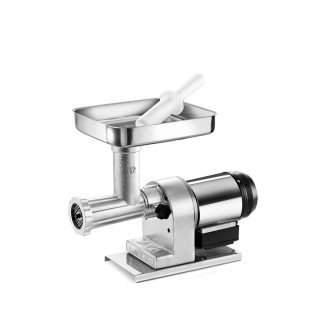
Fimar and Sammic meat mincers are available in sizes 22 and 32, including refrigerated models and models combined with a grater.
3. Meat preparations
For burgers of consistent weight and shape there are manual burger presses, and for sausages and cured meats the 14-litre Fimar sausage stuffers, vertical and horizontal.
4. Cured meats and display
To hang cuts and cured meats there are hook racks with fixed and swivel hooks in several sizes. To display meat on the counter there are counter trays and display pans.
5. Knives and hygiene
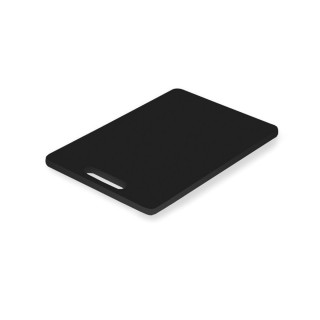
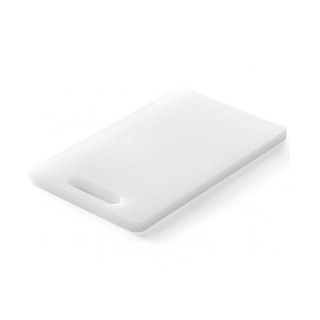
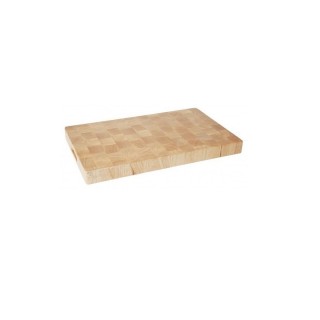
To keep knives in good condition there are electric and manual knife sharpeners, whetstones and strops. The 60x40 colour-coded HACCP cutting boards help keep different types of meat separate.




How to choose the main equipment
| Equipment | What to look at | Practical advice |
|---|---|---|
| Bone saw | Blade length and size of the pieces | A longer blade and a larger table for cutting bigger pieces. |
| Meat mincer | Size 22 or 32, refrigeration | 22 for small and medium volumes, 32 for high volumes. A refrigerated model keeps the meat cold during mincing. |
| Slicer | Vertical, gravity or flywheel | Vertical for the deli counter, gravity for large pieces and meat, flywheel for slicing ham in front of customers. |
| Sausage stuffer | Cylinder capacity | 14 litres is suitable for artisan sausage production. |
| Cutting boards | HACCP colour | One colour for each type of food, to avoid cross-contamination. |
Equipment by type of business
- Traditional butcher's shop: bone saw, meat mincer, hook racks, knife sharpeners, cutting boards.
- Butcher's shop with ready-to-cook products and deli: add a burger press, sausage stuffer and slicer.
- Deli / cured meat shop: vertical, gravity or flywheel slicer, hook racks for cured meats.
To find out more, read our guides on how to choose a bone saw, the difference between gravity and vertical slicers and how to design a butchery workshop. If you are unsure which model to choose, message us on WhatsApp at +39 333 687 8297.
Frequently asked questions
What equipment do you need to open a butcher's shop?
You need a bone saw, a meat mincer, a slicer, refrigerated counters and cold rooms, hooks to hang the cuts, knives with a knife sharpener, and cutting boards. If you make burgers and sausages, add a burger press and a sausage stuffer.
Size 22 or 32 meat mincer?
The number refers to the size of the mouth and the mincing plate. A 22 suits small and medium butcher's shops and workshops; a 32 minces more meat in the same time and is designed for high volumes.
Why choose a refrigerated meat mincer?
A refrigerated meat mincer keeps the mouth and the parts in contact with the meat cold during mincing. The meat warms up less, keeps its colour and texture better, and it is easier to comply with hygiene rules.
Gravity or vertical slicer?
In a vertical slicer the blade is upright and the carriage moves horizontally: it is the most common type on deli counters. In a gravity slicer the carriage is inclined and the product slides towards the blade under its own weight, which helps with large pieces and with meat.
Why use cutting boards in different colours?
Colour-coded cutting boards help keep foods separate and avoid cross-contamination, as required by HACCP procedures. A common convention is red for raw meat, yellow for poultry, blue for fish and green for fruit and vegetables.
How are shipping costs calculated?
Shipping costs depend on the weight of the goods and the delivery location, and are shown during checkout before payment.