


















SHOP NOW:


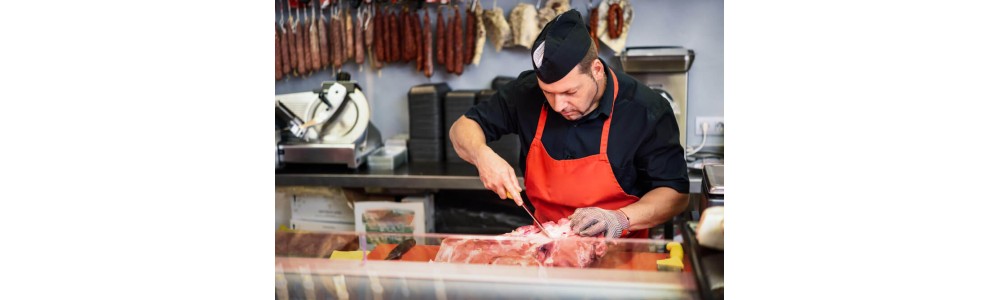
Designing a delicatessen or butcher shop workspace means creating a functional, safe, and regulation-compliant working environment, capable of supporting daily production without slowdowns.
Good planning is not only about walls and systems, but above all about the selection and layout of professional equipment, which directly affect workflows, hygiene, and the quality of the final product.
It is important to clarify one fundamental point: Cornerchef.it does not design commercial premises, but supplies professional equipment for delicatessens and butcher shops that fits into projects developed with technicians, HACCP consultants, or trusted designers.
This guide therefore has an informational purpose: to help you understand what is really needed and how to choose the right equipment.
SHOP NOW:
Where should you start when designing a food processing workspace?
The starting point is always the analysis of the operations that will take place.
Delicatessens and butcher shops share some fundamental principles, but have different operational needs in terms of equipment, space, and cold chain management.
Before purchasing any machinery, it is essential to clarify:
- the type of products processed
- daily production volumes
- sales methods (counter service, takeaway, ready-made preparations)
- number of operators
Only after this phase does it make sense to choose the most suitable equipment for the workspace.
Why does equipment influence workspace design?
Professional equipment determines space requirements, movement paths, and working methods.
A slicer, a meat grinder, or a bone saw are not just tools, but structural elements of the workspace that require adequate space, safety measures, and ease of sanitation.
Choosing machinery designed for professional use allows you to:
- reduce processing times
- improve staff organization
- simplify compliance with HACCP procedures
At this stage, in-depth articles such as the one dedicated to the professional bone saw essential for butcher shops and foodservice help clarify which technical features should be evaluated before purchasing.
How can workflows be properly organized in a professional workspace?
A well-designed workspace follows the “dirty → clean” principle, avoiding crossovers between raw materials, processing areas, and finished products.
This approach reduces the risk of contamination and makes daily operations smoother.
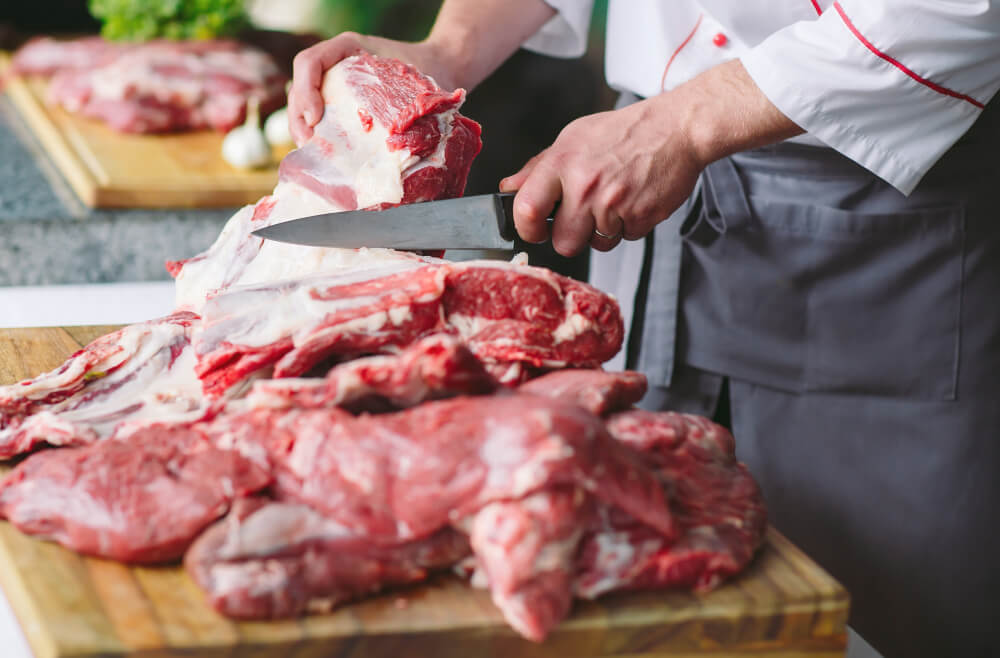
Functional division of spaces
In delicatessens and butcher shops, the following areas should always be kept separate:
- receiving and storage area
- processing area
- storage and preservation area
- display or packaging area
The use of professional food containers plays a key role in organization. Insights such as Gastronorm containers: efficiency and food safety in the kitchen explain why these tools have become a standard in modern workspaces.
Essential equipment for a professional delicatessen
Delicatessens operate on multiple fronts: cold preparations, ready-to-eat dishes, storage, and display.
Equipment must ensure production continuity and food safety.
Refrigerated counters and display cases
Refrigeration and display systems are central to the workspace.
Professional refrigerated display cases allow products to be kept at the correct temperature while enhancing their presentation, as explained in the guide on refrigerated display cases for food and beverages.
Cold preparations and portioning
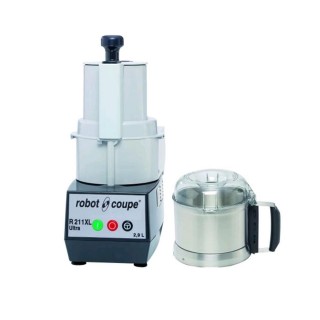
Slicers, meat grinders, and food preparation machines enable precise and repeatable processing.
Choosing equipment that is easy to disassemble reduces cleaning time and improves overall hygiene.
Essential equipment for a modern butcher shop
Butcher shops require specific machinery designed for intensive use and strict compliance with the cold chain.
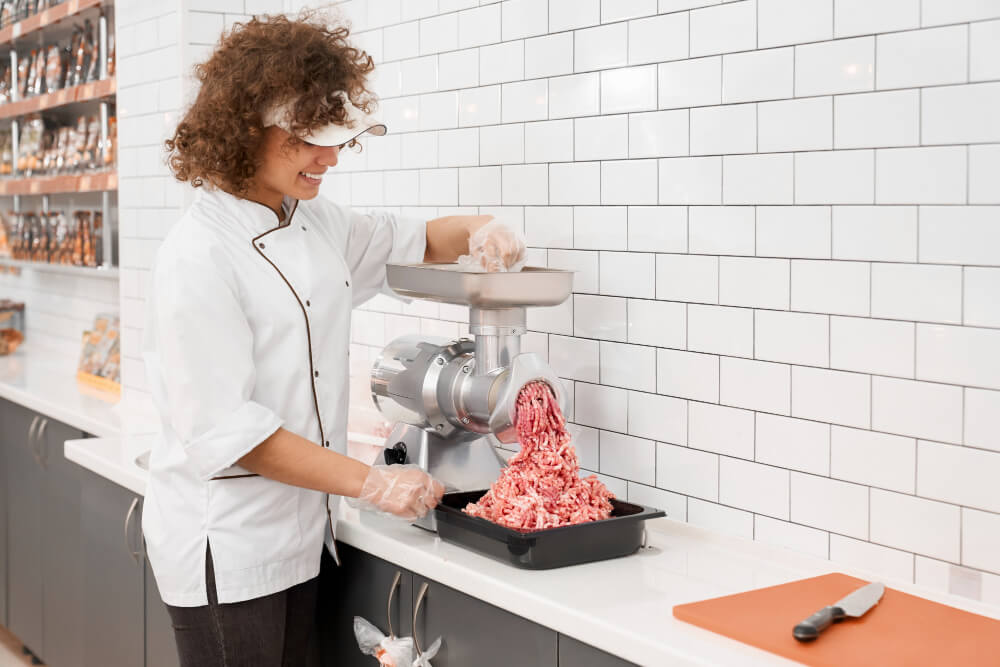
Bone saws and meat processing
The bone saw is one of the most delicate and strategic pieces of equipment.
It must ensure safety, cutting precision, and ease of sanitation, aspects explored in the article dedicated to the professional bone saw for butcher shops.
Prepared foods and ready-to-sell products
In many modern butcher shops, traditional sales are complemented by ready-made products such as burgers and specialty minced meats.
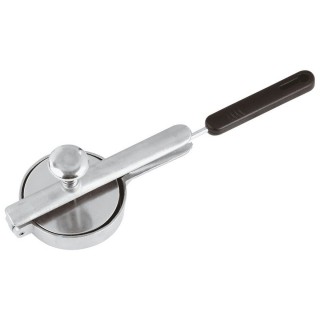
In this context, tools like the manual hamburger press for professional use help standardize products and improve efficiency.
Display and presentation
Visual appeal also matters.
Using butcher trays designed for food display helps maintain order, hygiene, and a professional presentation of the counter.
Preservation, safety, and product shelf life
Preservation is one of the most critical phases of the workspace.
Blast chillers and vacuum systems help extend shelf life and ensure safe handling.
Insights such as the guide to blast chillers and the article on how to choose between chamber and external vacuum sealers explain how these technologies directly impact product quality and workflow organization.
Workplace safety and daily hygiene
An efficient workspace is also a safe environment.
Equipment equipped with protective devices, ergonomic controls, and emergency stop systems reduces the risk of accidents.
The use of professional workwear and safety footwear completes the organization of the workspace, especially in cutting and processing areas.
The role of Cornerchef.it in equipment selection
Once the workspace layout has been defined with your technician, Cornerchef.it supports you in choosing professional equipment, offering solutions suitable for delicatessens and butcher shops.
The goal is not to sell a single machine, but to help build a coherent, efficient workspace that is ready to grow over time.