

























SHOP NOW:


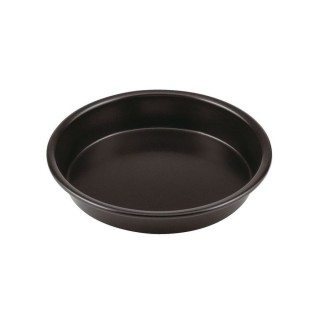


If you are new to baking and want to try your hand at cakes and desserts, pay close attention to one essential thing: the cake tin! Choosing the right tin is not just important, it is fundamental to turning out cakes that look and taste perfect. The material, shape and size of the tin can make the difference between a so-so cake and a masterpiece worthy of a professional pastry chef. So before you even gather the ingredients your recipe calls for, you need to choose the right tin for the type of cake. How? Read on to find out.
Every cake has its own tin
The importance of the right tin for each type of cake cannot be overstated. At best, you risk baking a cake that looks unappealing, perhaps cracked, overbaked or burnt in places and raw in others. At worst, you may have to throw it all away, wasting ingredients, time and effort.
Choosing the right cake tin is key to making perfect cakes and desserts. They need the right tin to reach their full potential: it is not just about looks, but about even baking, the ideal texture and flawless presentation. Whether you are making a cake as light as a cloud or a tart with a satisfying crunch, the choice of tin is crucial.
So how do you choose the right cake tin? Each type of cake needs a specific tin depending on four main factors: material, shape, size and whether or not it has a spring clip and removable base. Let's look at these in more detail and see the best options for each type of bake.
SHOP NOW:
Material, shape, size and spring clip
When it comes to cake tins, good looks and the latest trends are not the only things that count. Several crucial factors come into play:
- Material: rather like choosing the right pan for each recipe, the material of the tin affects baking and heat distribution. Aluminium and stainless steel act like little ovens that heat evenly, while silicone is non-stick and perfect for delicate cakes.
- Shape: this is where you can let your imagination run wild! Round, square, heart-shaped, with or without a hole... every shape has its purpose. A ring tin, for example, has a central hole that lets the heat circulate, while a tart tin is shallow with fluted edges to hold the pastry and filling.
- Size: a bit like choosing the right size of clothing, the tin must suit the amount of batter. If it is too big, the cake will come out flat and sad; if it is too small, the batter may overflow and make a mess of your oven.
- Spring clip: this mechanism opens and closes the side of the tin. A springform tin can be opened and has a removable base, so you can take the cake out easily without breaking it.
A practical guide to choosing the best cake tin
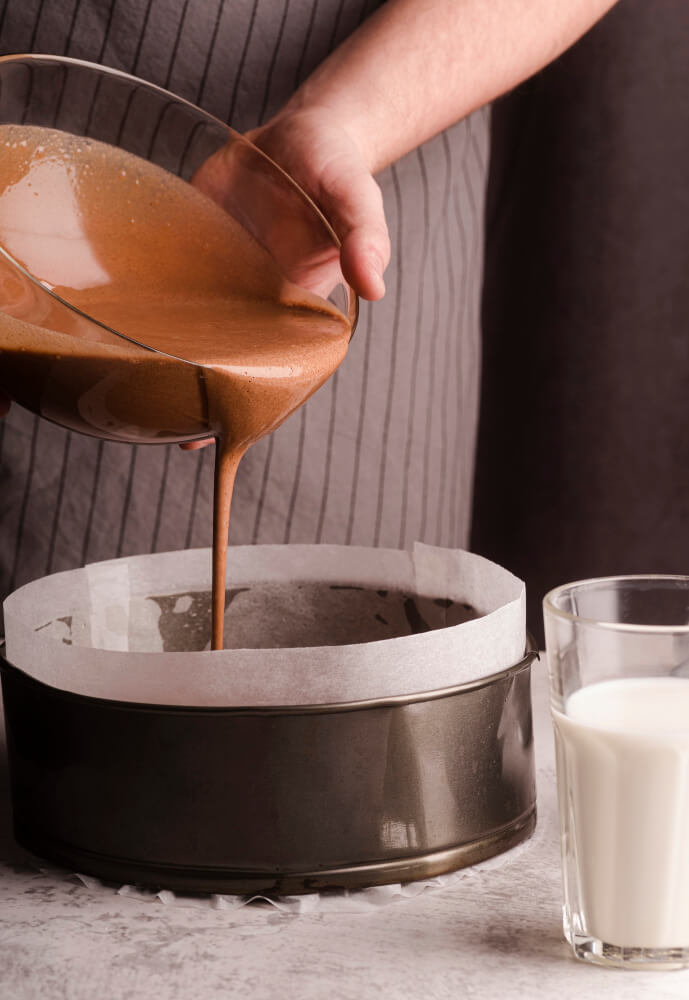 Before you start, make sure you are clear on the recipe and assess the shape, size and material of the tin according to the quantity of ingredients, the expected volume and the type of cake and result you want. Here are some guidelines.
Ring cake tin
The ciambella is the classic Italian ring cake, so it calls for the timeless ring mould. A ring cake tin has a central hole that promotes even baking and lets the heat spread uniformly. It can be made of silicone, aluminium or non-stick steel, often with a non-stick coating to make it easier to turn the cake out. For a standard-size ring cake, a tin 22 to 26 cm in diameter is recommended; you can go larger as you increase the quantity of batter and the number of portions.
Tart tin
The classic Italian crostata is a crisp shortcrust tart designed to be filled with custard, perhaps topped with fruit. A tart tin is generally shallow with a wavy (fluted) edge, ideal for holding shortcrust pastry and fillings. It is made of aluminium or steel with a non-stick coating and typically measures 24–28 cm in diameter. A tin with a removable base is usually more practical for getting the tart out, but even without one you can remove the tart without damaging it if you take care.
Tin for soft tart (crostata morbida)
The crostata morbida is the soft, sponge-based alternative to the crisp shortcrust tart. Its tin is similar to a tart tin but has a shaped, recessed base that forms a hollow perfect for creams and fillings. In non-stick steel or silicone, a diameter of 24–28 cm is recommended. As the diameter increases, along with the quantity of ingredients, the delicate cake becomes harder to turn out unless you take proper care.
SHOP NOW:
Sponge cake tin
A sponge cake (pan di Spagna) needs even baking and a well-balanced rise, so a tin with high sides is essential. A sponge cake tin is usually 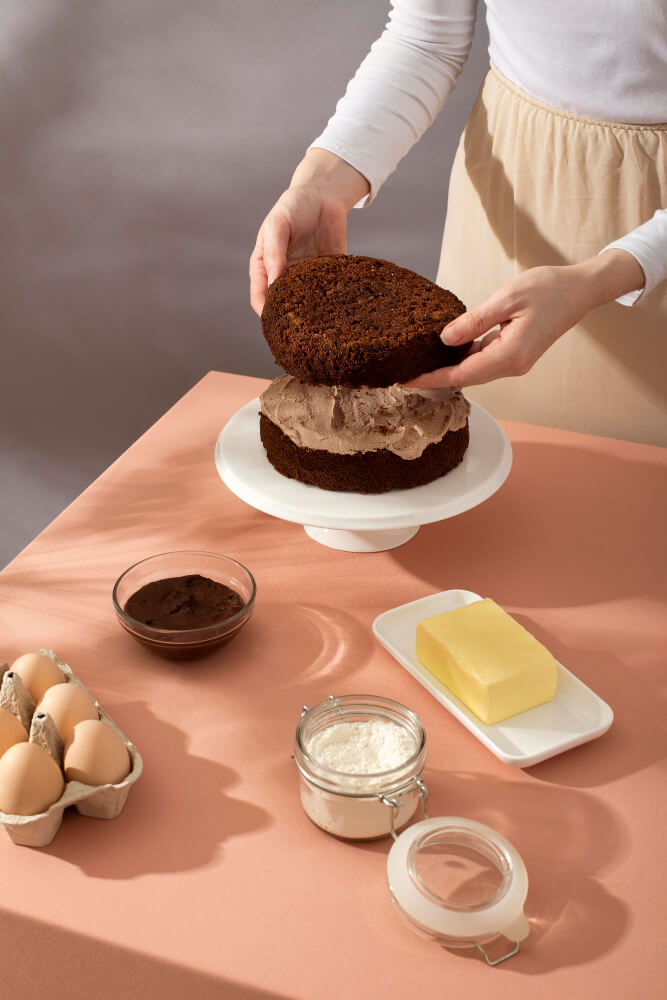 round, but square, rectangular or other shapes are fine too, as long as the sides are at least 6 cm high. Aluminium or stainless steel work best here, giving a light sponge that is perfect for tiered cakes. Suggested diameter: 22–26 cm.
Layer cake tin
Layer cakes must bake evenly without rising too much. For excellent results, a layer cake tin should be made of aluminium or non-stick steel, round, with high sides and a diameter of 20–24 cm.
Loaf tin
A loaf cake (known in Italy as plumcake) has a typical rectangular shape, and so must the loaf tin. Choose one in non-stick steel or silicone, 20–30 cm long.
This elongated tin is ideal for soft, rectangular cakes.
Cheesecake tin
Cheesecake is a layered treat that needs a cheesecake tin with a removable base, in non-stick steel or silicone, so it can be released easily and cleanly.
Brownie tin
Increasingly popular, brownies are square or rectangular American bakes. The perfect brownie tin is made of non-stick steel or silicone for even baking and easy removal, in a square 20x20 cm or rectangular 20x30 cm format.
SHOP NOW:
Chiffon cake and angel cake tin
Chiffon cake and angel cake are two very light, tall cakes; you could almost say the second is a lighter version of the first in terms of fat content. Their lightness and airy texture require a special tin with a central tube and feet, so the cake can cool upside down and keep its structure. Chiffon and angel cake tins are usually made of uncoated aluminium, because a non-stick coating would stop the batter from clinging to the sides, which is exactly what helps the cake rise so well. Here too, a chiffon cake tin 24–26 cm in diameter is recommended.
Red velvet cake tin
Red velvet cake is a little more particular and, for a perfect result, needs a steel or aluminium tin with a non-stick coating that distributes heat evenly to prevent cracking. A velvet cake tin is round with high sides and 22–26 cm in diameter.
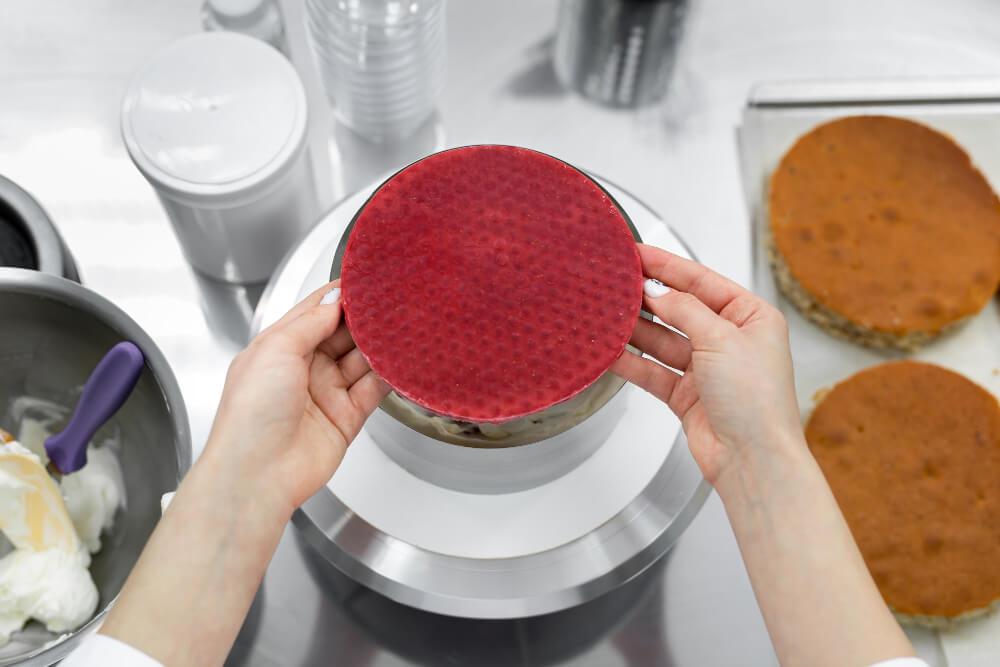
Zuccotto mould
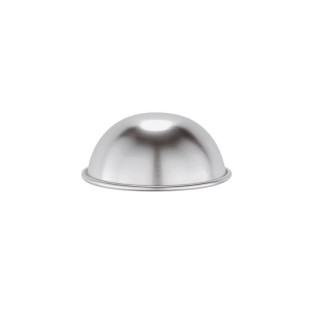
The traditional Tuscan zuccotto is a dome-shaped chilled dessert, so it needs a dome-shaped zuccotto mould (a hemispherical mould) in stainless steel or aluminium, 18–24 cm in diameter.
Pandoro mould
A pandoro mould, on the other hand, must be a tall, star-shaped conical aluminium mould at least 20–25 cm high, to give a perfect star shape to this traditional Italian Christmas cake. To choose the right size and material, read our guide to pandoro and panettone moulds.
Charlotte mould
The charlotte is another particularly elegant dessert. A charlotte mould should be a tall cylindrical mould in stainless steel or silicone with a smooth side, for a flawless lining of sponge fingers. Diameter: 18–22 cm.
Semifreddo moulds
Semifreddo (an Italian frozen dessert) also needs the right mould, and it must be flexible so it can be turned out easily! Choose silicone or stainless steel moulds, which are easy to unmould and come in countless shapes, although they are typically cylindrical or rectangular, with sizes that vary according to the recipe.
Every tin has its cake: it's all about the right match
As you will have gathered, choosing the right cake tin is essential for perfect results. Every bake has its own requirements in terms of baking, shape and texture. Whether you are making a crisp tart, a light sponge or a tall, airy chiffon cake, the right tin will make all the difference to the end result. Investing in quality moulds made from the right material will help you achieve professional results and make every cake a guaranteed success! At Cornerchef you will find exactly what you need: quality cake moulds and cake tins of every kind, from springform tins and fixed-base tins to silicone moulds and much more. If you are a beginner, though, start with a versatile non-stick steel tin that suits several types of cake. As you progress, expand your collection with tins and moulds of every kind, use them following the advice in this guide and, if you are unsure, ask someone more experienced for advice. You can also read our article "Pastry school: how to choose cake moulds, useful tips for an informed choice" for more information and practical advice.
SHOP NOW: