

























SHOP NOW:
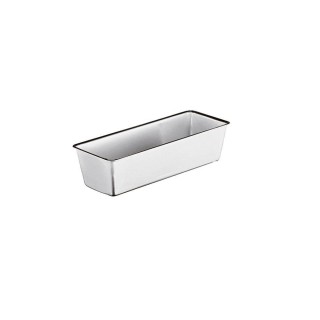
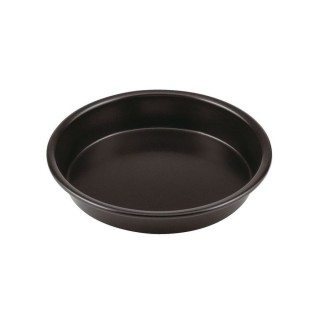


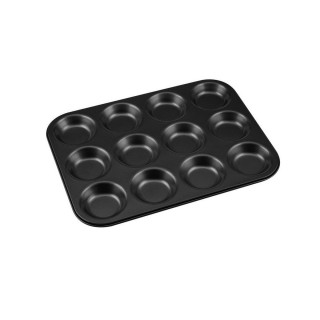

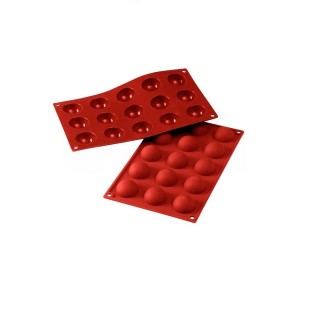

Anyone who loves making cakes and sweet treats, professional or not, knows how essential it is to have the right cake moulds to get an excellent result. But how do you know whether you have the right mould for what you are making? The choice of shape and size may depend on the type of bake: a loaf tin will be rectangular, for example, while a ring mould is the one to choose for a ring cake. The choice of colour obviously comes down to personal taste (and perhaps to how it matches your kitchen and other utensils). The choice of material, however, cannot be left to chance: you need to weigh it up according to the result you want, comparing the characteristics of the different materials cake moulds are made from. So let's look at cake moulds in the various materials available and when each one is preferable to another.
SHOP NOW:
What is the best material for cake moulds?
Today pastry moulds are sold in several materials: aluminium, stainless steel, silicone, ceramic and non-stick cake moulds. Let's start from the premise that no material is better than another for baking. There is a material that is best suited to the type of preparation (oven baking, long baking, freezing, very detailed or very simple shapes, etc.) and to the result you expect, which is why ideally you would have moulds in every material in your cupboard.
Each material has its own characteristics that make it better than the others in certain respects. Let's look at them together!
Aluminium cake moulds: even baking and tradition
Aluminium moulds are the classic pastry moulds, the most widely used and appreciated for baking thanks to their ability to conduct heat evenly, which means cakes come out well baked both inside and out. This material allows even baking, preventing parts of the cake from staying raw or burning. It is also a material that stands up well to wear over time. 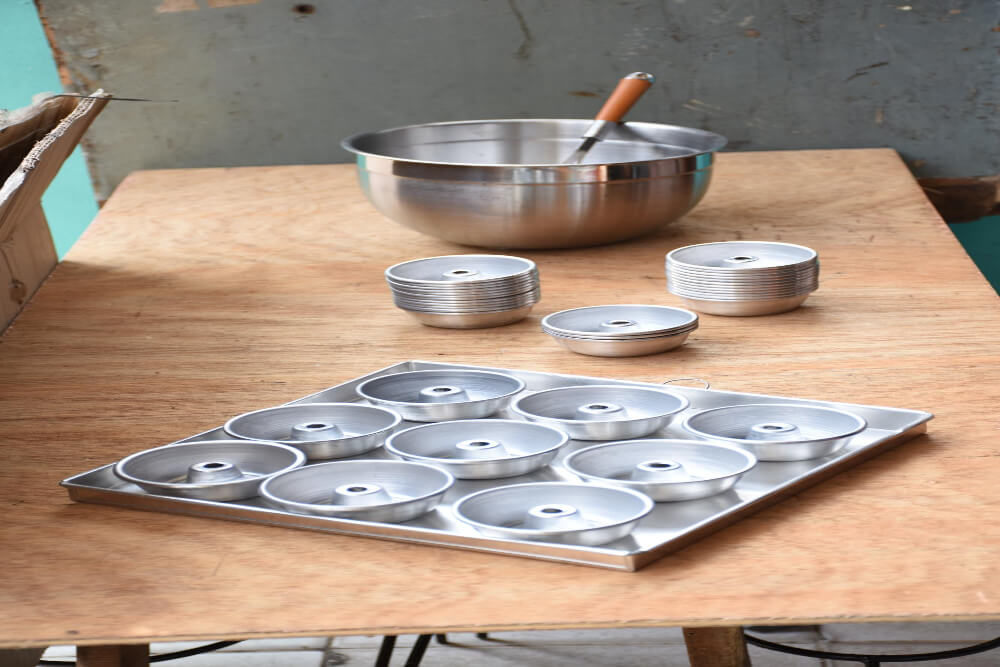
Aluminium moulds are light, durable and available in many shapes: the classic moulds used for ring cakes, loaf cakes and traditional cakes are made of aluminium. However, to stop the mixture from sticking, the mould needs to be greased and floured before use, otherwise the cake may break when you turn it out. Keep them away from sharp or pointed objects, as these damage the surface and make the mould less effective. They also need proper care after every use: it is essential to dry them thoroughly after washing to prevent oxidation, which would make them unusable. If you are looking for a versatile, long-lasting product, aluminium moulds are a reliable choice.
Stainless steel cake moulds: strength and durability
Stainless steel moulds are synonymous with strength and longevity: you are unlikely to break them and they last a lifetime. Steel is corrosion-resistant and easy to clean, and it is particularly valued for its hygienic qualities and for not altering the flavour of what you bake. Compared with other materials, stainless steel moulds tend not to warp, making them perfect cake tins for traditional cakes that need long baking times. Although stainless steel is not naturally non-stick, with proper preparation (greasing and flouring the mould before pouring in the mixture, as with aluminium) it gives excellent results. As with aluminium, keep steel moulds away from sharp or pointed objects that could damage the surface and reduce their effectiveness.
Stainless steel moulds are therefore ideal if you want a product that withstands high temperatures and the test of time, even after many uses.
SHOP NOW:
Silicone cake moulds: flexibility and ease of use
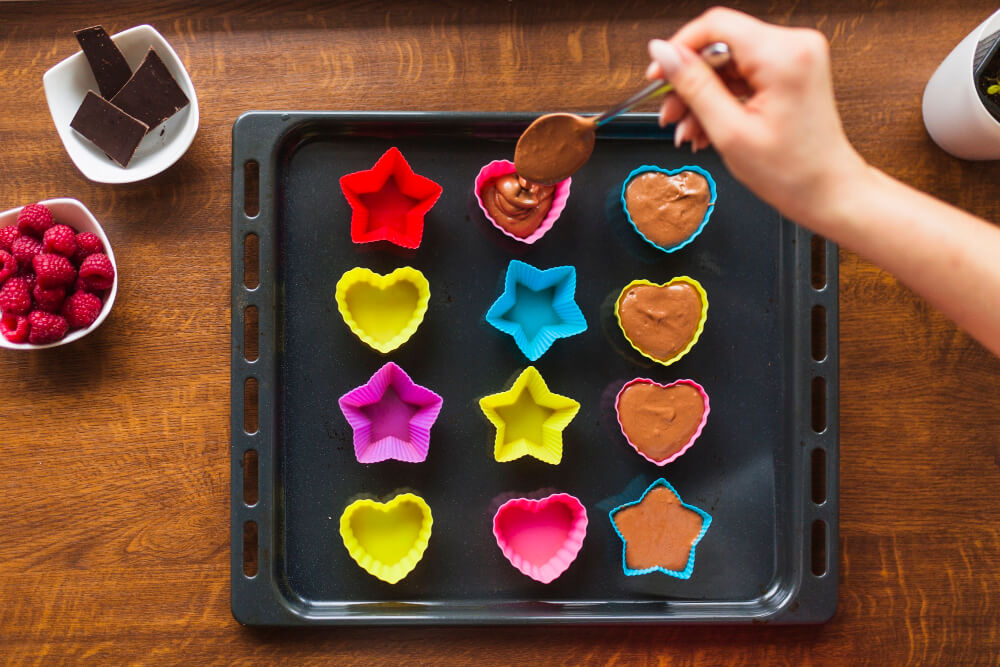
In recent years silicone moulds have become increasingly popular for cakes and desserts. Food-grade silicone has made it possible to produce truly versatile moulds, suitable for both sweet and savoury dishes. This material offers many advantages, including natural non-stick properties, which make it easy to turn out preparations without damaging them. Silicone moulds are light, flexible and can be used both in the oven and in the freezer, at temperatures ranging from -40 °C to +230 °C. They are ideal for delicate desserts such as mousses, chocolates or cupcakes. On the other hand, they are not recommended for shortcrust pastry, which may break when you turn it out. Compared with aluminium or steel, silicone does not distribute heat as evenly, which can affect the baking of some preparations. After prolonged use it may also start to absorb odours and, especially if it is not of excellent quality, it deteriorates over time. Silicone moulds must never come into contact with sharp, pointed or abrasive objects, as these damage them and make them less effective, less non-stick and therefore less useful. Silicone moulds are a practical choice, especially if you are looking for convenience and easy cleaning: they can even be washed in the dishwasher. For more on getting the most out of silicone moulds, read "How to use silicone baking moulds: 10 golden rules".
Ceramic cake moulds: timeless elegance and charm
Ceramic moulds are a little less practical, mainly because of their weight and handling. But they stand out for their elegant appearance and the touch of class they bring to the kitchen. Heavy yet delicate, these moulds are perfect for traditional preparations such as tarts, savoury pies or puddings. 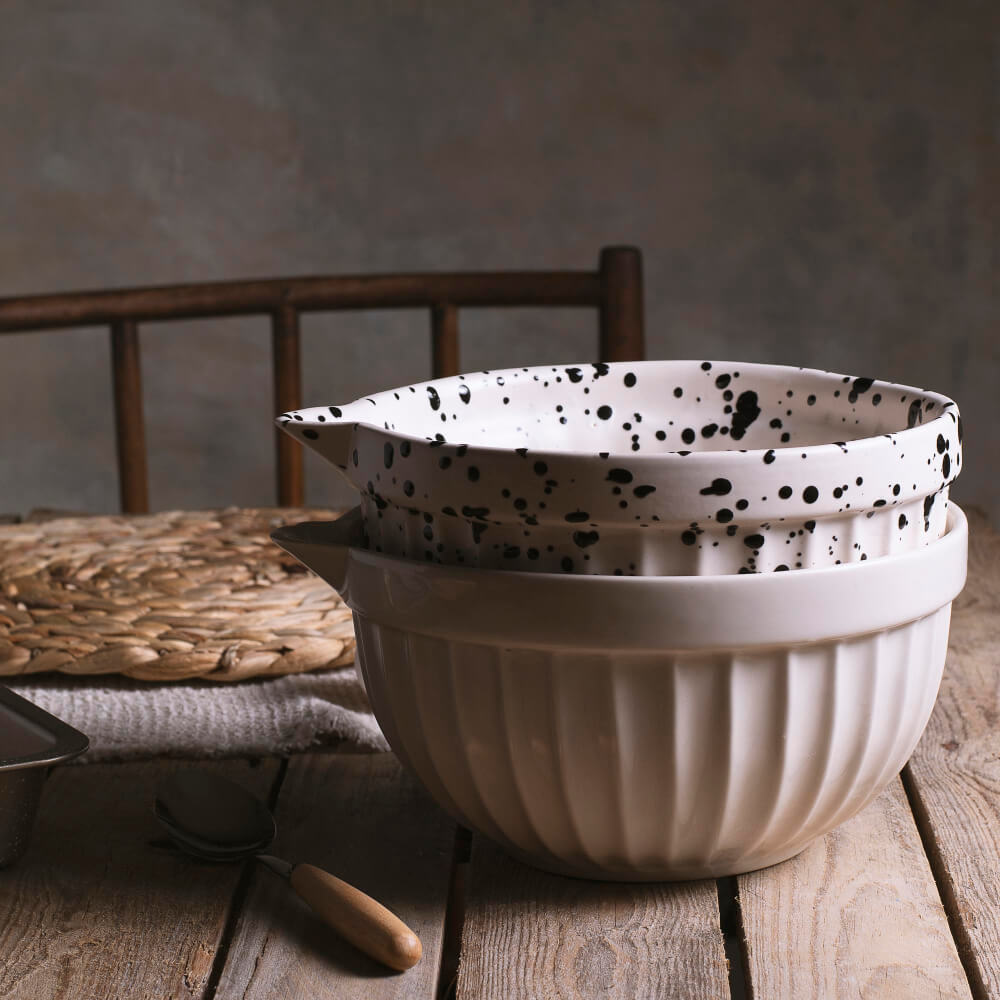 Ceramic ensures even heat distribution, allowing slow, uniform baking. However, ceramic moulds need more care during use and cleaning, as they are more fragile than other materials. Treated with care, they can last for years and become a family heirloom handed down from generation to generation. Despite their higher cost, they are an excellent choice if you want a refined and durable product.
Non-stick cake moulds: convenience and perfect results
Non-stick moulds are defined by exactly that: their non-stick surface. They combine the practicality of metal with the convenience of a surface that stops food from sticking. These moulds, often made of coated aluminium, are ideal if you want flawless cakes without having to grease the mould. However, the coating is delicate and needs careful use: avoid sharp or abrasive utensils that could damage the non-stick layer. Non-stick moulds are perfect for everyday bakes such as cakes, biscuits and loaf cakes, offering a practical solution for anyone looking for simplicity and quality results.
SHOP NOW:
Aluminium vs silicone cake moulds: which is better and which should you choose?
Of all the moulds, aluminium and silicone are the most popular, thanks to a range of advantages that put them on an equal footing. Here is a list of factors to consider for a quick comparison between the two.
- Heat conduction: aluminium moulds are unbeatable when it comes to even heat distribution, ensuring uniform baking. Silicone moulds, by contrast, are less efficient and may need slightly longer baking times.
- Flexibility and ease of turning out: silicone wins on flexibility, letting you turn out even the most delicate cakes without breaking them. Aluminium, although more rigid, can give good results if the mould is properly prepared (greased and floured).
- Non-stick properties: silicone moulds are naturally non-stick, almost eliminating the need for greasing. Aluminium moulds, on the other hand, always need this preparation to stop the mixture from sticking.
- Durability: if properly looked after, aluminium moulds can last for years. Silicone moulds, although durable, tend to lose flexibility after intensive or prolonged use.
- Versatility: silicone stands out because it can be used both in the oven and in the freezer, and it comes in a wide range of shapes and sizes. Aluminium, on the other hand, is ideal for traditional cakes that need precise, even baking.
- Cost: silicone moulds are generally cheaper and easy to find in creative shapes. Quality aluminium moulds can be more expensive, but they are a long-lasting investment for anyone looking for professional results.
In conclusion, the choice between materials always depends on the type of cake you want to make and on your priorities in the kitchen. As these can change from one bake to the next, it is a good idea to have moulds in different materials. If you want to narrow the choice down to aluminium and silicone, bear in mind that both have unique advantages that make them valuable allies for any baking enthusiast, and you may well choose to have moulds in both materials.