

























SHOP NOW:

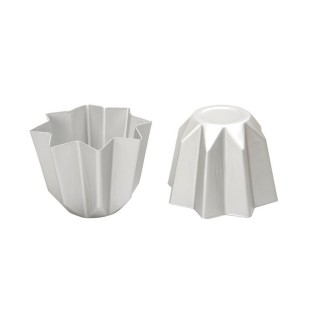
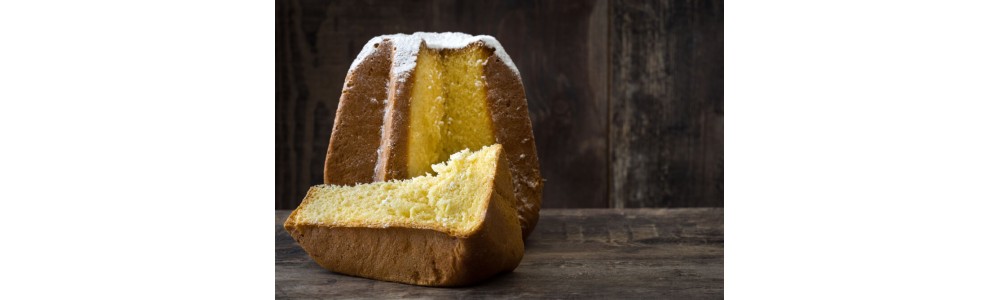
A pandoro mould is a tall, eight-pointed star-shaped mould, usually made of aluminium, that gives pandoro its typical shape. A panettone mould, on the other hand, is a tall cylinder, almost always made of rigid baking paper, in which the panettone bakes and stays until it is sliced. They are two different moulds and cannot be swapped: in this guide you will find how to choose the material and size of each, how to use them and the most common sizes.
- Pandoro: aluminium star mould, to be greased carefully; the size in grams is the weight of dough it is designed for, for example 750 g or 1 kg.
- Panettone: disposable baking paper mould, tall with straight sides; you choose it by weight, from 100 g to 1 kg and more.
- Size: always choose the mould according to the weight of the dough in your recipe, not the other way round.
SHOP NOW:
Pandoro mould: what it looks like
Pandoro comes from Verona and owes its shape to a special mould: a tall truncated cone whose sides are folded into an eight-pointed star. The folds increase the surface in contact with the heat and help the dough, very rich in butter and eggs, to bake evenly right to the centre. The mould is only partly filled: the dough rises inside the mould almost to the rim and forms a dome while baking, which becomes the base of the pandoro once it is turned out.
Pandoro mould: which material to choose
| Material | Pros | Cons | Best for |
|---|---|---|---|
| Aluminium | Good heat conduction, even baking, lasts for years | Every fold must be greased carefully | Pastry shops and anyone who makes pandoro every year |
| Non-stick aluminium | Easier to turn out | The coating must be handled gently | Anyone who wants less risk when unmoulding |
| Silicone | Flexible, easy to unmould | Less rigid with heavy doughs, must sit on a baking tray | Mini pandoro and single portions |
| Paper | Disposable, the pandoro can be given as a gift in its mould | Not reusable, less defined shape | Production for sale or as gifts |
For most uses the best choice is an aluminium pandoro mould: it is the traditional one, it conducts heat evenly and, with proper care, it lasts for many years. On Cornerchef you will find the 1 kg aluminium pandoro mould and the 750 g pandoro mould, both in anodised aluminium. A disposable paper pandoro mould makes sense mainly if you produce pandoro to sell or to give as a gift in its mould.
Which pandoro mould size to choose
Pandoro moulds are sized in grams: 750 g, 1 kg and, for smaller sizes, mini pandoro moulds for single portions. The weight indicates the amount of dough the mould is designed for. A 1 kg mould is therefore used for about 1 kg of dough: if you put in more, the dough overflows while rising; if you put in less, the pandoro stays low and the star is poorly defined.
That is why it is best to start from the recipe: add up the weight of the ingredients of the final dough and choose the closest mould, or divide the dough between several moulds. If the recipe is designed for a 1 kg mould and you use a 750 g one, you will have about a quarter of the dough left over, which you can bake in a smaller mould.
How to use a pandoro mould
- Carefully grease every fold of the star with a brush and soft butter: this is where pandoro tends to stick. If the mould is not non-stick, you can also dust it lightly.
- Put in the dough with the smooth side facing down, because it will become the top of the pandoro.
- Let it rise in the mould until the dough almost reaches the rim, covered and away from draughts.
- Bake following the recipe: pandoro bakes for a long time at a moderate temperature; if the dome browns too much, cover it with a sheet of aluminium foil.
- Let it cool slightly in the mould before turning it out, then let it cool on a wire rack. Unlike panettone, pandoro is not hung upside down.
- Wash the mould by hand with hot water, without abrasive sponges, and dry it well: aluminium does not rust, but it stains if left damp.
A rich, long dough like pandoro needs a mixer that handles leavened doughs well: you will find suitable models among our professional planetary mixers.
SHOP NOW:
Panettone mould: paper or aluminium
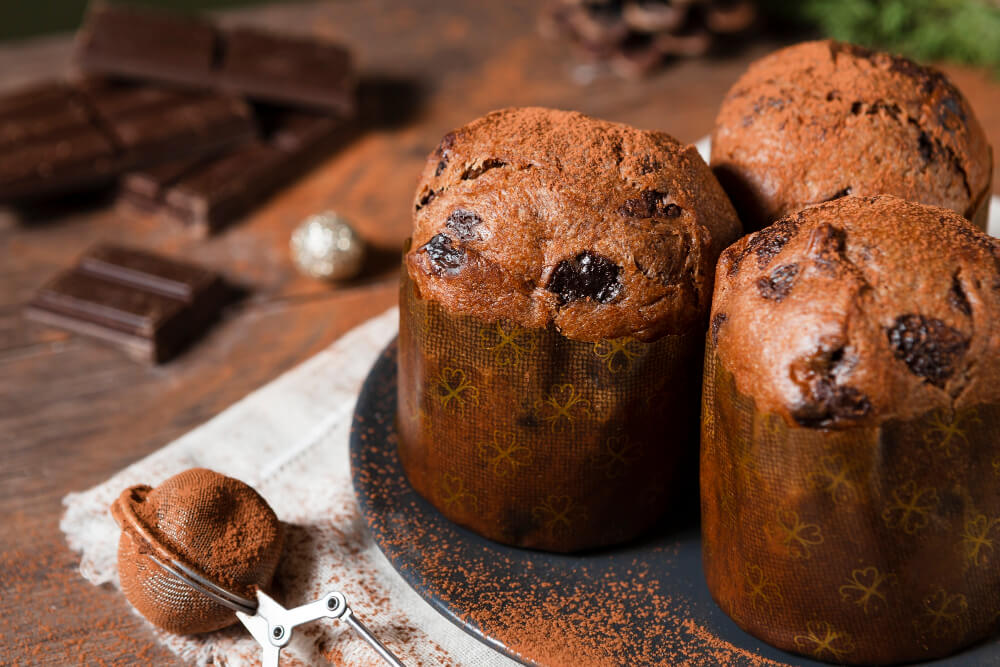
Panettone is almost always baked in a paper mould: a tall cylinder of rigid baking paper with a reinforced base and rim. The panettone bakes in the mould and stays in it until it is sliced, so it keeps better and does not lose its shape. As soon as it comes out of the oven it is pierced at the base with two long skewers and left to cool upside down, hanging: this is what stops the dome from collapsing.
There are also reusable aluminium moulds for panettone, cylindrical or shaped like a tall ring. They are less common because the panettone has to be turned out while still hot before hanging it, whereas the paper mould stays on the cake and makes the whole job simpler. For production to sell or give as gifts, paper is the most practical choice; aluminium makes sense if you bake only a few panettoni and want a mould that lasts.
Then there is low panettone, baked in wider and shorter paper moulds, which bakes faster, and panettone gastronomico, a soft savoury bread baked in a tall mould and cut into discs to fill festive sandwiches.
Panettone mould sizes from 500 g to 1 kg
Panettone moulds are also chosen by weight, that is by the amount of dough. These are the most common sizes of tall paper moulds; they can vary by a few millimetres from one manufacturer to another, so always check the packaging.
| Panettone weight | Approximate diameter | Approximate height |
|---|---|---|
| 100 g | about 7 cm | about 5 cm |
| 500 g | about 14 cm | about 10 cm |
| 750 g | about 15-16 cm | about 11 cm |
| 1 kg | about 17 cm | about 12 cm |
As with pandoro, the rule is to put the stated weight of dough in the mould: a 1 kg panettone is made with about 1 kg of dough, which rises to the rim and forms the dome while baking.
Can you make a DIY mould?
For panettone, yes: you can make a mould by rolling a double strip of baking paper about 12 cm high into a cylinder and placing it inside a ring or a springform tin of the right size, which holds it in shape while rising and baking. The result is less regular than a real mould, but it works.
For pandoro, on the other hand, a DIY mould does not give good results: the star shape cannot be improvised and the dough needs rigid walls that conduct heat evenly. If you want to make pandoro at home every year, a real aluminium mould is worth it.
Other moulds for Christmas cakes and sweets
For festive biscuits, chocolates and decorations you will find the other moulds in the pastry moulds category and an overview of materials in the guide on how to choose cake moulds. For everyday cakes, read how to choose the right cake tin. If you are unsure which mould to choose, message us on WhatsApp at +39 333 687 8297.
Frequently asked questions about pandoro and panettone moulds
What mould do you need to make pandoro?
You need a tall eight-pointed star-shaped mould, usually made of aluminium, which gives pandoro its typical shape and bakes it evenly. It is chosen according to the weight of the dough: the most common sizes are 750 g and 1 kg, while mini pandoro moulds are available for single portions.
How much dough goes into a 1 kg pandoro mould?
A 1 kg mould takes about 1 kg of dough: the weight stated on the mould is the amount of dough it is designed for. The dough rises in the mould almost to the rim and forms the dome while baking. With more dough it may overflow, with less the pandoro stays low.
Does a pandoro mould need to be greased?
Yes, an uncoated aluminium mould must be greased carefully, using a brush to reach every fold of the star, where pandoro tends to stick. Non-stick and silicone moulds need less preparation, but a thin layer of butter still helps when turning it out.
What size is a 1 kg panettone mould?
A tall paper mould for a 1 kg panettone usually measures about 17 cm in diameter and 12 cm in height. Sizes can vary slightly between manufacturers, so check the packaging. A 750 g mould is usually 15-16 cm wide and a 500 g one about 14 cm.
Is a paper or aluminium panettone mould better?
For most uses paper is better: the panettone bakes in the mould, stays in it until sliced and is hung upside down without having to turn it out. An aluminium mould is reusable, but the panettone must be turned out while hot before hanging it. Paper is the most practical choice, especially if the panettoni are for sale or gifts.
Can you use a pandoro mould for panettone?
It is not a good idea. The pandoro mould is star-shaped and widens towards the top, while panettone needs a straight cylinder to rise and form its dome, and it must be cooled hanging upside down. With the wrong mould the cake bakes differently and loses its typical shape.