

























SHOP NOW:

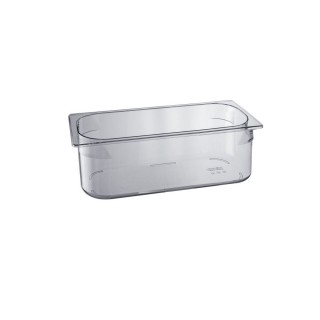



When you are fitting out a professional kitchen, a deli or a butcher's shop, choosing your professional food containers is anything but a minor detail. It is a decision that affects how work is organised, the quality of service and, above all, food safety and storage. For the containers used to display products on the counter, the choice must also serve an aesthetic purpose: presenting the goods on sale so that customers perceive them as quality products. Of the many types of containers on the market, two are the undisputed protagonists: containers (pans) and trays. Similar in appearance but very different in function, materials and use, let's look at their features and roles so you can make an informed purchase that suits your needs.
SHOP NOW:
The container: your ally for kitchen prep

The professional food container, or pan, is designed to accompany every stage of food preparation. You will find it in restaurant kitchens, canteens and artisan food production kitchens. It is used to hold ingredients, mix preparations, steam, blast chill hot food or store food in the cold room. Its size and proportions almost always follow the Gastronorm (GN) standard, a modular system that ensures a perfect fit in ovens, blast chillers, trolleys and refrigerated counters.
The most common material for these containers is stainless steel, valued for its strength, hygiene and durability. However, many kitchens also use polypropylene containers, ideal for cold storage, or polycarbonate and SAN containers, which are lighter and transparent. In every case they are sturdy, easy to wash and designed for intensive daily use, built to last.
The tray: the star of the deli counter
The tray is designed for a different purpose: it is a display container for the finished product. It is not used for preparation but for the 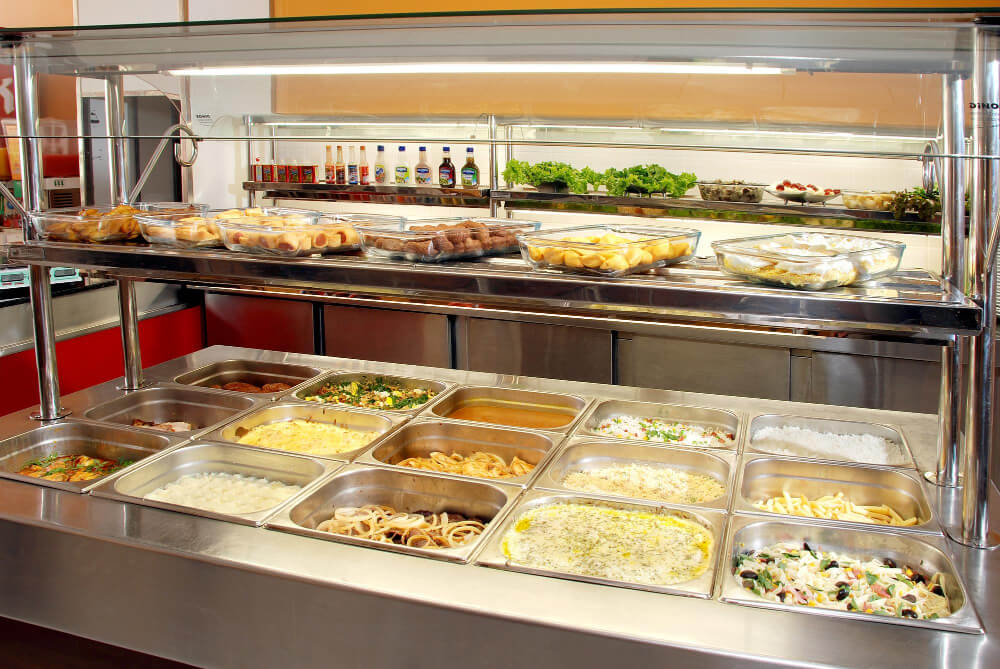 presentation and sale of the finished product. It is the container you see in the refrigerated display cases of delis, butcher's counters and take-away sections. Its role is to display, organise and sell: it must show off its contents, look tidy and be practical during service, so it has an aesthetic, functional and logistical role all at once.
Unlike traditional Gastronorm containers, which follow a universal size standard so they fit kitchen equipment, trays are a more flexible and varied category. They do not always conform to the strict GN sizes and are often lower and wider, designed to suit specific needs such as display in refrigerated cases or use with tray sealing machines.
The materials used for trays tend to be lighter and transparent, putting visibility of the contents and practicality first. The most common are PET (polyethylene terephthalate), polypropylene (PP) and polystyrene (PS). Another distinctive feature of many trays is that they can be heat sealed. This makes them ideal for modified atmosphere packaging (MAP), a method that significantly extends the freshness and shelf life of food, or for safe direct transport, keeping the product intact all the way to the consumer.
Different functions, different materials
The difference between trays and containers is not just about appearance but also about technical properties. A container, especially one in stainless steel or polycarbonate, withstands heat, knocks, frequent washing and extreme temperatures. It is suitable for preparing, cooking and storing food.
A tray, on the other hand, focuses on lightness, visual impact and compatibility with counters and display units. It does not have to withstand high temperatures, but it must be easy to handle and stack, and is often transparent to show its contents clearly.
Gastronorm standard and compatibility
One of the most important aspects when choosing professional food containers is compatibility with your equipment. GN containers fit perfectly into ovens, blast chillers, trolleys and refrigerated counters designed to the same modular standard. This makes the most of available space, helps organise the line and saves time, making kitchen work easier.
Trays, by contrast, need to be chosen according to the shape of the display cases or the size of the tray sealer. Here the GN standard does not always apply, but efficiency comes from precise sizes suited to the type of service.
In short: every container has its role
Going back to the original question, "how do you choose between trays and containers?", the answer depends on what the container will be used for. To hold ingredients, mix preparations, steam, blast chill hot food or store food in the cold room, you need containers: the container is your companion in the kitchen, tough, adaptable and compatible with your equipment. If instead you need containers for food on display, you need food trays: the tray is what shows your product to the customer, clean, tidy, practical and ready to sell.
Knowing how to tell them apart, and how to choose them for your type of business, means improving the quality of your work, simplifying processes and adding value at every stage, from preparation to display. And in a sector where time, cleanliness and efficiency make all the difference, the right container is never a secondary choice.
On Cornerchef.it you will find a wide selection of professional food containers, from Gastronorm containers to counter display trays, from the toughest materials to the lightest, always with the real needs of the catering trade in mind. Because every professional knows that even a container, if well chosen, can make a difference.