

























SHOP NOW:


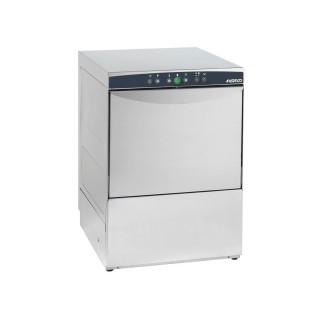


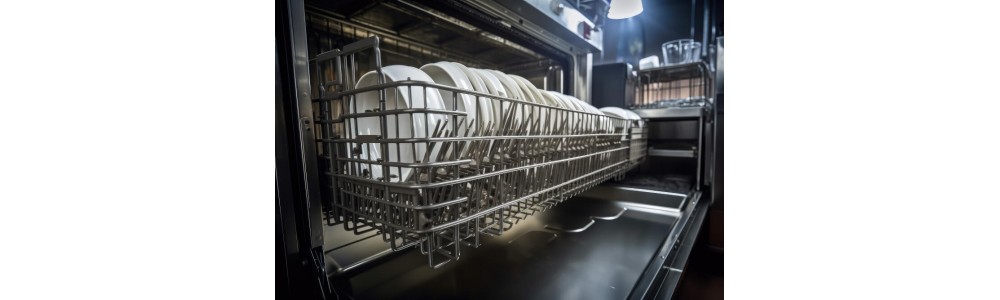
For a restaurant, bar or hotel, buying a commercial dishwasher is almost a must to guarantee hygiene, speed and efficiency. But once your restaurant dishwasher is installed, we tend to take it for granted, as if its only job were "washing". In reality, your dishwasher is a real engine that, if not managed properly, can hide significant operating costs that go well beyond the electricity and water bills. Understanding these costs and how to optimise performance is key to getting the most out of your initial investment and keeping your tableware spotless in the long run.
Understanding the real running costs of a commercial dishwasher
The data sheet of your commercial dishwasher tells you how much energy (kW) and water (litres) the machine uses per cycle, but it cannot capture all the consumption that comes from using it in a busy catering business. Real consumption depends on many factors: how often you run the machine, the temperature of the incoming mains water, the rinse temperature setting and even how well the rack is loaded. Shorter cycles or slightly lower temperatures (where possible and hygienically safe) can make a noticeable difference over time. Good insulation, which keeps the heat inside the machine, also helps your dishwasher save energy.
SHOP NOW:
How water quality affects results (especially on glasses): the underrated water softener
One factor that is often underestimated, but deserves attention with any restaurant dishwasher, is water quality. Mains water contains minerals, mainly calcium and magnesium, which determine its hardness. Hard water is the main cause of limescale, a hidden enemy of your commercial dishwasher. Limescale reduces the efficiency of the heating elements (increasing energy consumption) and can clog nozzles and pipes, but above all it leaves unsightly streaks and a cloudy film on glasses, cutlery and plates. So it damages the machine, raises the direct and indirect costs of running it and harms the image of your business, especially for a bar serving aperitifs or a restaurant that focuses on presentation and always wants sparkling, streak-free glasses. To minimise or eliminate the effects of limescale, you can rely on a water softener. Whether built into the dishwasher or installed separately, it removes the minerals responsible for hardness, supplying "soft" water that protects the machine from scale build-up and ensures truly flawless washing and rinsing results. Treating it as an optional extra for a restaurant dishwasher is a mistake that can prove costly in extra repairs and disappointing results. Often the saving lies in buying a model such as our AF 40.30e electronic glass washer with built-in water softener.
Not just the right product, but the right dose for smarter washing
Using professional detergents designed for commercial dishwashers is the starting point for smart washing, but it is not enough: correct dosing is essential. Too little detergent does not clean or sanitise properly, forcing you to rewash, which takes longer and pushes up costs. Too much detergent, on the other hand, wastes product, can leave residues on the tableware and, over time, damage the internal components of your machine. Modern automatic dosing units help you get the dose right, but it is still important to check their calibration regularly according to water hardness and the type of soiling. The choice between liquid and solid detergent can also affect management and costs: their different formats and dosing systems (pumps drawing liquid from canisters, dissolving units for solid blocks or cartridges) affect practical aspects such as storage, how often they need replacing and how complex dosing is, all of which have a direct impact on day-to-day operations and total costs. Rinse aid, in turn, helps tableware dry quickly and prevents streaks, especially when the water is not perfectly softened, giving you sparkling plates and glasses after the first wash and avoiding rewashes, no small detail for any restaurant or bar.
Regular maintenance: prevention is better than calling the engineer
Regular maintenance is the best insurance against costly sudden breakdowns and downtime that bring service to a halt, a nightmare for any restaurant or catering business. Going beyond simply cleaning the filters of your commercial dishwasher is essential. Get into the habit of regularly checking:
- The wash and rinse arm nozzles: make sure they are not blocked by small food residues or limescale. An uneven water jet
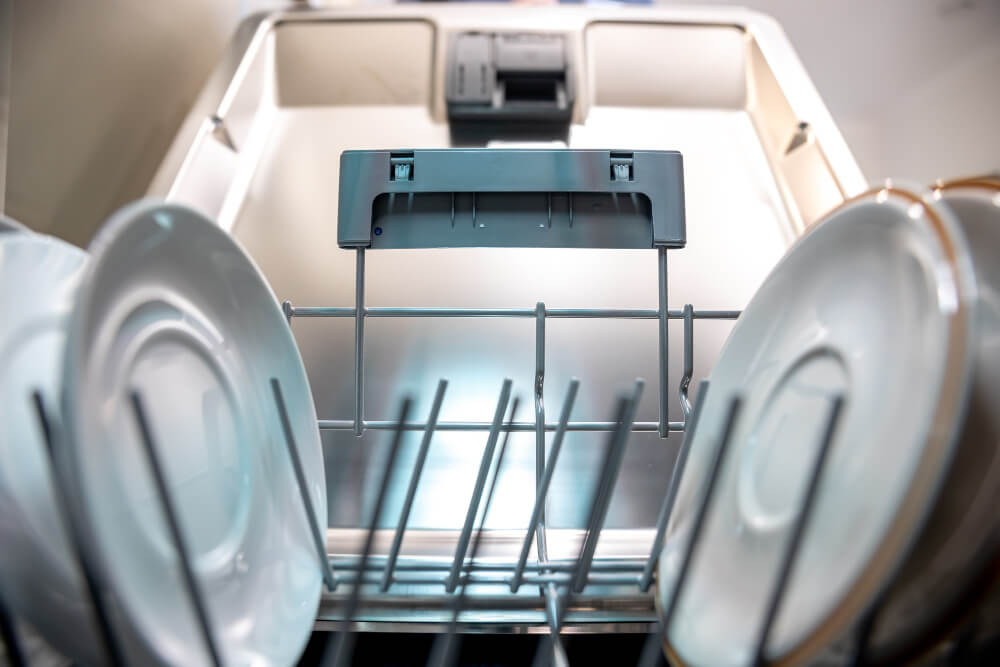 reduces washing effectiveness.
 - The door seals: a damaged seal causes water leaks and heat loss, increasing consumption and the risk of damage to your dishwasher.
- The inside of the machine: look for signs of limescale build-up or stubborn residues.
These simple checks, often described in your dishwasher's user manual, let you spot potential problems early and act before they become emergencies. This kind of preventive maintenance saves you time and money in the long run.
Loading the rack properly: a small habit that makes a big difference
It may seem trivial, but the way you load the rack of your commercial dishwasher has a significant impact on washing efficiency. If items overlap, they create "shadows" where water and detergent cannot reach effectively, so they are not washed properly. Likewise, if they stop the spray arms (the ones that spray the water) from rotating freely, the jet is blocked or deflected unevenly, compromising the wash across large areas of the rack. In both cases the result is an ineffective wash that does not guarantee complete hygiene and forces you to repeat the cycle or finish by hand, needlessly wasting time, water, energy and chemicals. Placing items correctly, leaving space and making sure the arms can turn freely, is a small habit that greatly improves your machine's performance.
In conclusion, your restaurant dishwasher has huge potential for efficiency. Understanding and actively managing factors such as water quality, the use of chemicals and proactive maintenance are not just good practice: they are practical strategies to cut hidden operating costs, extend the life of the machine and achieve spotless washing results that raise the quality of your service. Investing time in managing it well means getting the most out of your investment in catering equipment.
SHOP NOW: