





















SHOP NOW:


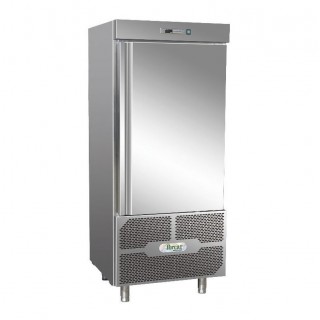


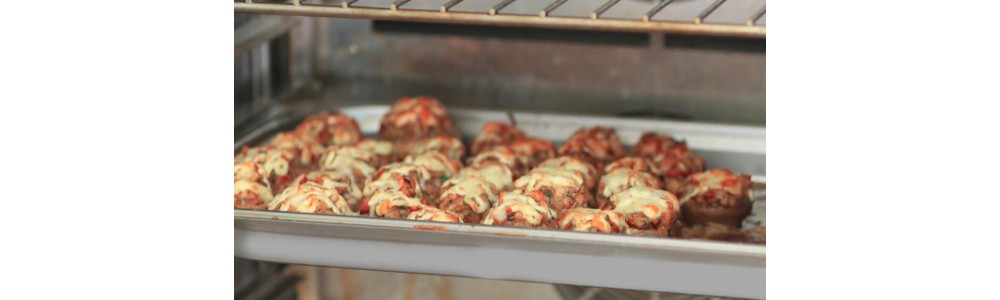
In a food laboratory, temperature control is one of the most critical aspects for ensuring product safety.
The blast chiller is not just a support machine, but a central tool in risk management according to the HACCP system.
Understanding how to use it correctly helps avoid operational errors and improve the quality of processes.
Why is the blast chiller important in the HACCP system?
The blast chiller is important in the HACCP system because it allows rapid control of food temperature, reducing the risk of bacterial growth.
Why is the blast chiller fundamental in the HACCP system?
The HACCP system is based on identifying and controlling critical points in the production process.
The cooling phase of food is one of these points, as it represents a moment when bacterial growth can increase rapidly.
The blast chiller reduces this risk by lowering the temperature within controlled timeframes, making the process safer and more predictable.
Rapid cooling: what does it really mean?
Cooling food does not simply mean bringing it to a lower temperature.
It means doing it in the shortest possible time, quickly passing through the so-called “danger zone” where bacteria develop more easily.
This is the real value of the blast chiller: not the final temperature, but the speed at which it is reached.
Where does the blast chiller fit into the HACCP plan?
The blast chiller is part of the equipment used to control critical points.
It is not always legally required, but becomes necessary when the production process requires rapid and controlled cooling.
This aspect is explored in the article dedicated to when a blast chiller is mandatory, where the difference between regulatory obligation and operational necessity is clarified.
Common mistakes in blast chiller management
In daily operations, errors almost never come from the machine itself, but from how it is used.
The most frequent include:
- overloading the machine
- failure to respect chilling times
- use not consistent with the type of product
- poor workflow organization
These mistakes reduce the effectiveness of chilling and increase hygiene risks.
What is the most common mistake when using a blast chiller?
The most common mistake is using the blast chiller without considering volumes, timing, and workflow organization, reducing its effectiveness in risk control.
Blast chiller and workflow organization: a direct link
The effectiveness of the blast chiller also depends on how it is integrated into the laboratory.
If the machine is far from the production area or difficult to use, the process becomes less controllable.
For this reason, its position and use should be defined within the context of blast chiller integration in food laboratory design, where each phase must align with the operational flow.
The role of the blast chiller in food safety
The blast chiller helps to:
- reduce bacterial risk
- improve preservation
- stabilize product quality
It does not replace good hygiene practices, but reinforces them, making the process more controlled.
Blast chiller and vacuum packaging: why they work together
In modern laboratories, blast chilling and vacuum packaging are often used together.
Blast chilling quickly brings the product to the correct temperature, while vacuum packaging extends its shelf life.
This integration is essential in vacuum packaging management according to HACCP in the food laboratory, where time and temperature work together to ensure safety and quality.

When does a blast chiller become operationally essential?
Even when not legally required, a blast chiller becomes essential when:
- working with advance production
- handling large volumes
- maintaining consistent standards
In these cases, it is a fundamental tool for process control.
How to choose a blast chiller consistent with the HACCP plan?
The choice should consider:
- production volumes
- type of processing
- laboratory organization
Only in this way is it possible to identify the blast chillers best suited to your laboratory, ensuring consistency between machine and process.
The blast chiller is not just a machine, but a control point
In the HACCP system, every piece of equipment has a role.
The blast chiller is the one that manages one of the most delicate stages of the process: cooling.
Using it correctly means working in a safer, more organized and professional way.
SHOP NOW:
Temperature control is risk control
In a food laboratory, risk is not eliminated, it is managed.
The blast chiller is one of the most effective tools to do this, because it allows direct control over one of the most critical parameters: temperature.
And it is precisely this control that makes the difference between an improvised process and a truly structured one.