




















ACQUISTA ADESSO:



Designing a pizzeria requires much more than just choosing an oven or a few utensils. It is essential to consider the operational flow, product quality, and management of service times. A well-equipped and organized pizzeria allows production to be optimized and consistently perfect pizzas to be offered.
The differences between traditional, modern, and dark kitchens profoundly influence equipment choices. While a traditional pizzeria focuses on table service and the on-site experience, a dark kitchen concentrates exclusively on fast production and delivery, often in delivery and take-away mode.
Professional equipment plays a key role: from the quality of the dough to cooking, and the preservation of ingredients, every technical choice directly impacts yield, consistency, and customer satisfaction.
Discover all the Cornerchef pizzeria equipment, professional pizza ovens, and pizza dough containers ideal for every need.
ACQUISTA ADESSO:
Modern pizzeria and dark kitchen: what do you really need?
The modern pizzeria distinguishes itself from the classic one through optimized production flow, space modularity, and the use of more efficient and versatile equipment. It often integrates digital systems for order management and quality control.
The dark kitchen is created for delivery and take-away. It does not require a dining room or table service but must guarantee speed, product consistency, and temperature maintenance during transport. This model is growing rapidly, especially in cities with high delivery density.
The workflow changes based on the operating model. In a modern pizzeria, production follows the sequence: dough → stretching → topping → cooking → slicing → service/delivery. In a dark kitchen, some phases focus on packaging and efficient transport, without sacrificing quality.
It is important to design an efficient "pizza production line," with dedicated areas for dough, topping, cooking, and packaging. Fundamental equipment includes:
- Pizzeria Dough Mixers
- Pizzeria Refrigerated Counters
- Pizza Dough Ball Containers
- Refrigerated Ingredient Displays
Essential Equipment for Professional Pizzerias
Professional Pizza Oven: which one to choose?
Choosing the right oven depends on the type of pizza, production volumes, and space organization. Electric ovens are ideal for compact pizzerias and offer precise temperature regulation. Gas ovens heat up quickly and are suitable for medium-to-high production, while tunnel ovens allow for high yields in dark kitchen or delivery modes.
Consult our pizza oven category and the guide to Fimar pizza ovens .
Dough Mixer, Dough Sheeter, and Dough Containers
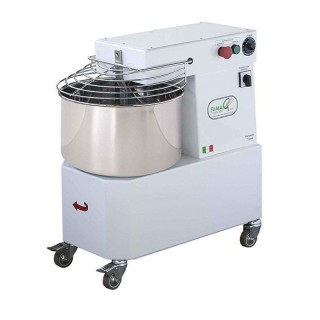
Dough mixers can be planetary, spiral, or fork mixers. Each model has specific advantages: spiral for high-hydration doughs, planetary for small quantities. Dough maturation in suitable containers is fundamental for quality and consistency.
Discover:
Pizzeria Refrigerated Counters and Ingredient Storage
A stainless steel in-line refrigerated counter with refrigerated wells allows ingredients to be always fresh and within reach. Refrigerated work surfaces combine operational space and storage, optimizing productivity and food safety.
Consult the pizzeria refrigerated counters section.
Essential Utensils for Professional Pizza Making
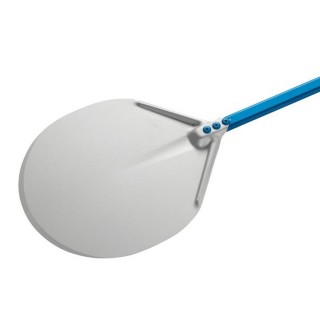
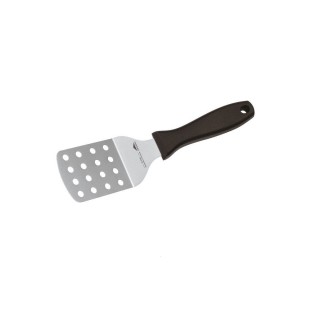
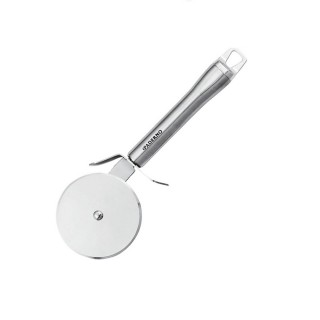
Indispensable utensils include peels, pizza cutters, trays, grids, and professional mozzarella slicers. Every tool contributes to service speed and final product quality.
Visit:
Designing the Pizzeria Workflow
Dough and Preparation Area
Dough mixer, workbenches, dough ball containers, and storage area. Logical organization to reduce movement and optimize timing.
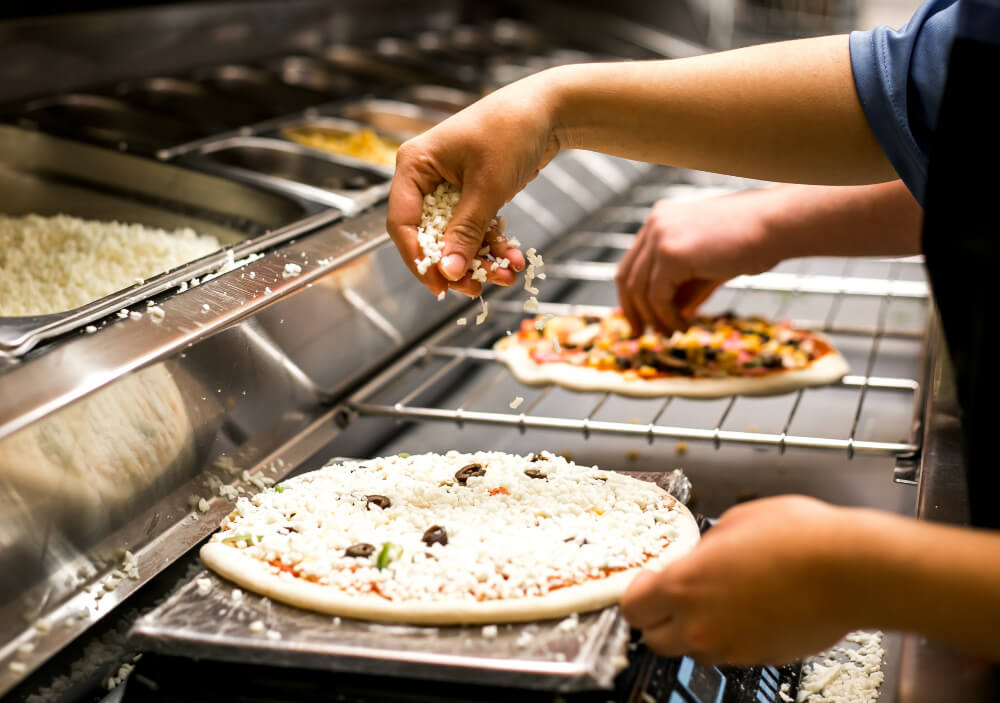
Topping and Cooking Area
Refrigerated ingredient counters, oven, trays, peels, and utensils in sequence for speed and quality.
Slicing, Service, Take-away, and Delivery Area
Pizza cutter, neutral counters for preparation, packaging, and thermal containers.
See also:
Take-away Pizzeria and Dark Kitchen: how to equip them
Configurations:
- Basic: oven, refrigerated counter, essential utensils
- Intermediate: separate lines, thermal containers, order management
- Advanced: tunnel ovens, automatic dough sheeter, rapid packaging
Fundamental equipment includes thermal containers, refrigerated counters, and, if necessary, tunnel ovens.
Practical Layout Examples
Modern Pizzeria Start-up (low budget)
- Planetary Mixer
- Stainless steel workbench with refrigerated wells
- Compact electric oven
- Basic utensils: peels, trays, pizza cutter
- Pizza dough containers in polyethylene
Professional Pizzeria with Mixed Service
- High-capacity spiral mixer
- Refrigerated counters with work surfaces
- Medium/high volume gas oven
- Professional utensils: mozzarella slicer, grids
- Dough containers and service boxes
High-productivity Pizza Dark Kitchen
- Automatic spiral mixer
- Refrigerated counters and ingredient displays
- High-capacity tunnel ovens
- Automatic dough sheeter
- Thermal containers and fast packaging systems
Conclusion: Designing a modern pizzeria with the right equipment
Designing a modern pizzeria requires planning, careful equipment selection, and workflow optimization. Carefully considering the type of service, volumes, and customer profile ensures product quality, speed, and consistency. Cornerchef solutions offer professional and versatile tools for all needs, from start-ups to high-productivity dark kitchens. ```