




















ACQUISTA ADESSO:



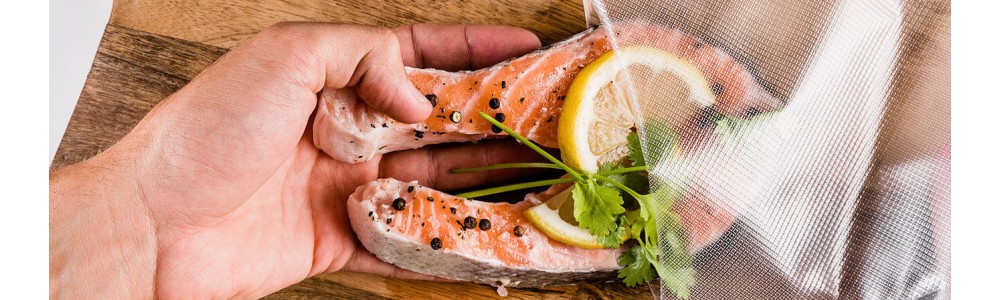
When it comes to vacuum sealing, attention is almost always focused on the machine.
Bags, on the other hand, are often considered a minor detail. In practice, they are anything but.
Using the wrong bag can slow down operations, cause vacuum loss, or create storage issues.
Understanding the difference between embossed vacuum bags and smooth vacuum bags means avoiding very common mistakes.
Not all bags are the same (and they don’t all work with the same machine)
In professional vacuum sealing, the bag is not just a container.
It is an active part of the process: it interacts with the machine, influences air extraction, and determines the stability of the seal.
For this reason, bag selection should always be made together with the choice of the vacuum machine, not afterward, first clarifying
how to choose between a chamber vacuum machine and a bar vacuum sealer
based on the type of work and the actual production volumes of the laboratory.
The difference between embossed and smooth bags is practical, not theoretical
The distinction is not about material quality in absolute terms, but about how air is removed from the bag.
This is what makes a bag compatible—or not—with a specific machine.
Embossed vacuum bags: why they are required with bar sealers
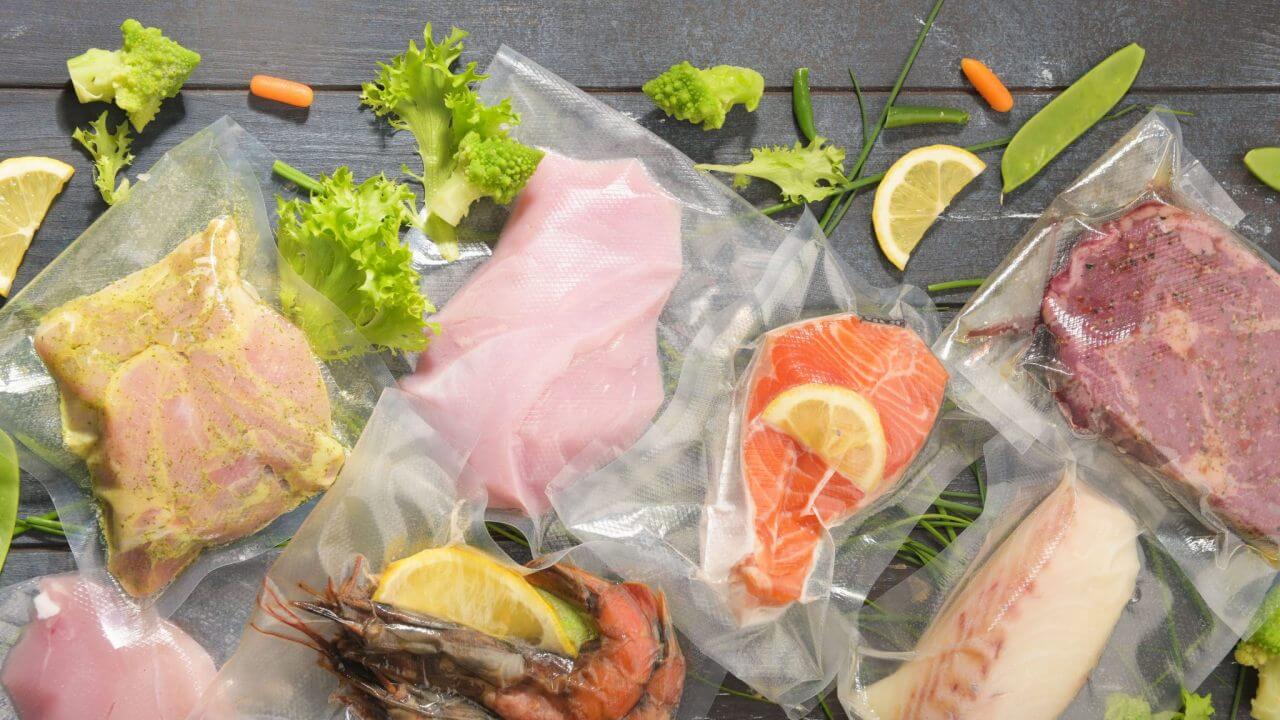
Embossed bags have a surface with micro-channels.
This structure allows air to flow toward the suction bar, enabling the machine to work properly.
Without embossing, with a bar sealer, air would remain trapped.
This is why embossed bags are essential when using
bar vacuum sealing machines.
Smooth vacuum bags: the standard with chamber machines
Smooth bags work differently.
With a chamber vacuum machine, the vacuum is created inside a sealed chamber, so air does not need to “flow” along the surface of the bag.
This makes smooth bags:
- faster to use
- more stable over time
- ideal for continuous processing
Not by chance, they are the standard in laboratories that use chamber vacuum machines.
A common mistake: choosing the “cheapest” bag
It happens often.
Bags are selected without considering the machine, or a so-called “universal” solution is sought.
In practice, this leads to:
- longer cycles
- unstable vacuum
- rework
- wasted time and materials
The right bag is not the cheapest one, but the one that matches the equipment and the workflow.
Does bag selection affect storage? Yes—more than it seems
An unstable seal shortens shelf life and increases the risk of vacuum loss over time.
But it is not just a practical issue: in professional vacuum sealing, the bag becomes an active part of the self-control system and directly affects
HACCP management in vacuum sealing.
In daily operations, this means:
- more checks
- less peace of mind
- more waste
Which is why bag selection is fully part of food laboratory design.
ACQUISTA ADESSO:
In summary: the bag and the machine must work together
Bar vacuum sealers and embossed bags go hand in hand, just as chamber machines and smooth bags do.
It is a simple rule, yet often overlooked—especially when vacuum sealing is seen only as a packaging step.
When vacuum sealing becomes part of more delicate processes, such as low-temperature cooking, this consistency becomes even more important and requires specific materials, such as
bags for sous-vide cooking,
designed to work safely even with controlled times and temperatures.
Respecting this logic means smoother operations, fewer issues, and greater control over the final result.