



















ACQUISTA ADESSO:

When it comes to vacuum packaging, the question always comes up sooner or later.
“Is a chamber vacuum machine better, or a bar vacuum sealer?”
In practice, the answer is never theoretical. It depends on how you work, how much you work, and what role vacuum sealing plays in your laboratory.
Because occasionally using vacuum sealing is very different from running preparations, portioning, and storage through it every single day.
Vacuum sealing is not an accessory, it is a work phase
In many laboratories, vacuum sealing is treated as a secondary operation.
In reality, when it truly becomes part of the workflow, it turns into a structural phase: it affects timing, stock organization, safety, and final product quality.
This is why the choice of the machine should never be made “from a price list” alone, but together with the
design of the food laboratory
,
evaluating real volumes and frequency of use.
The difference between chamber and bar machines is not technical, it is operational
On paper, both do the same thing: they remove air and seal a bag.
In reality, they work differently and behave very differently as workload increases.
This is where many post-purchase frustrations begin.
The bar vacuum sealer: simple, but with limits
The bar vacuum sealer works externally.
The bag remains outside the machine, air is extracted directly, and then the bag is sealed.
As long as volumes are low and operations are occasional, it works.
When vacuum sealing becomes frequent, however, cycle times increase, consistency decreases, and just a slightly moist product is enough to start causing issues.
It is a solution that holds up only as long as vacuum sealing remains marginal.
The chamber vacuum machine: when work becomes continuous
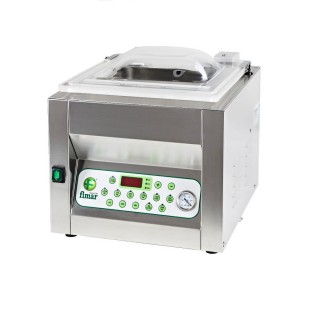
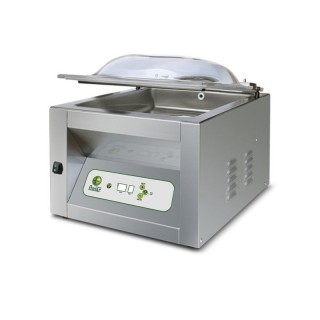
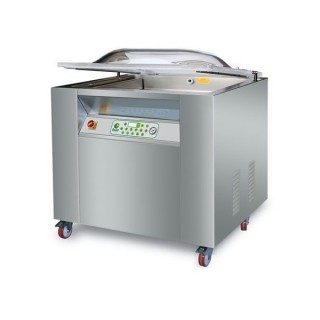
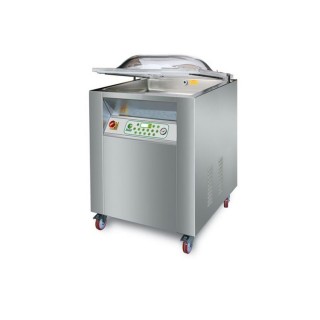
With a chamber vacuum machine, the vacuum is created inside a sealed chamber.
The bag and the environment reach the same pressure level, and sealing takes place in a stable and controlled way.
This changes everything:
- faster cycles
- fewer errors
- the ability to work with moist products or liquids
- greater operational continuity
It is not a matter of “better performance,” but of long-term reliability.
A question that often comes up: “Do I really need a chamber machine?”
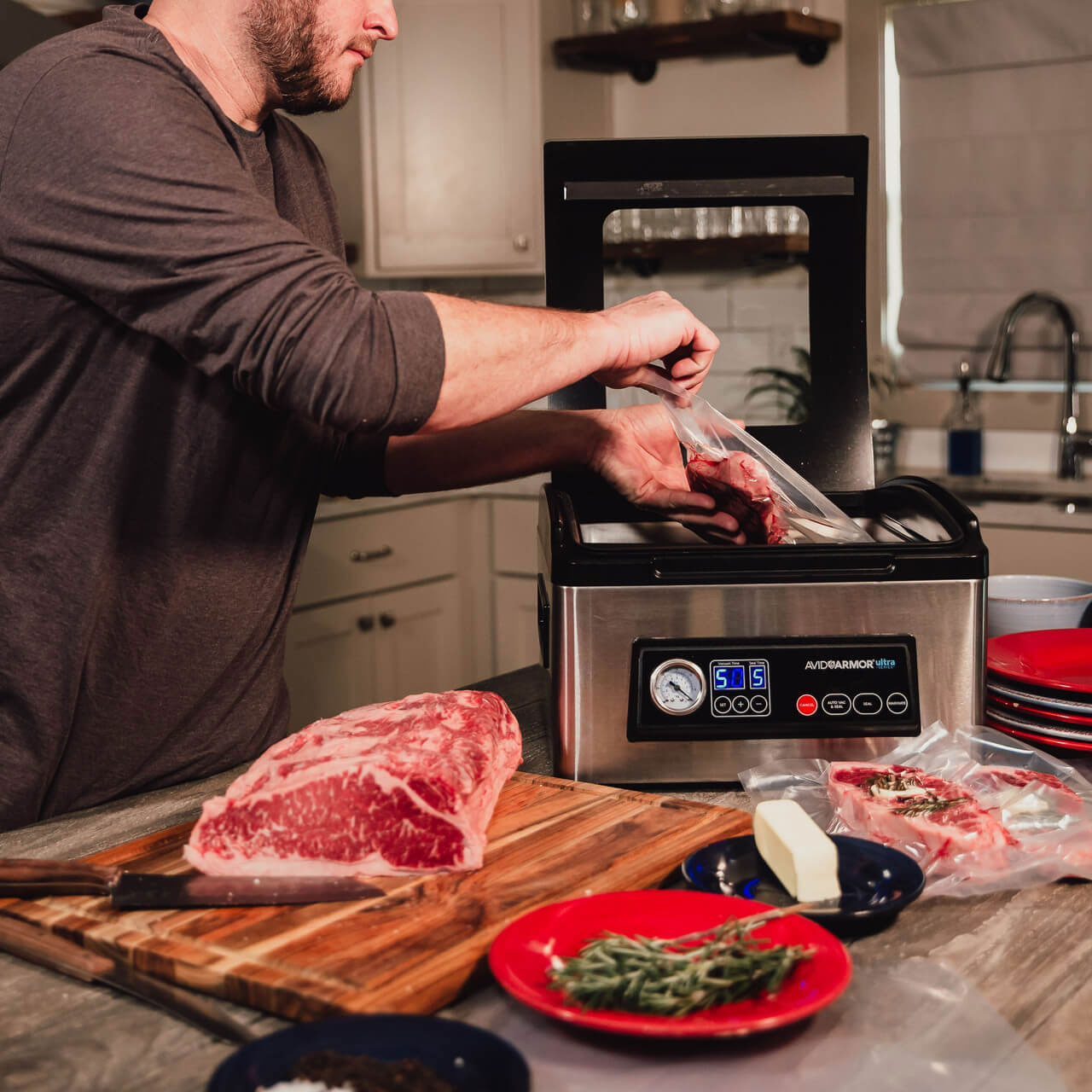
The honest answer is: it depends on how much vacuum sealing weighs on your daily work.
If you package occasionally, maybe at the end of service, a bar sealer can be enough.
If, on the other hand, vacuum sealing becomes part of preparation, portion management, and planned storage, then the bar machine stops being a solution and turns into a compromise.
And that is where, in practice, slowdowns begin.
Where the bar machine starts to feel limiting
There are fairly clear signs:
- cycle times increase as the number of bags grows
- difficulties with moist foods
- inconsistent results
- the need to “redo the vacuum”
These are common situations, not defects of the machine.
It is simply not the tool designed for that type of workload.
Why structured laboratories switch to chamber machines
In laboratories where vacuum sealing is part of the process, the chamber machine becomes almost a natural choice.
Not because it is “more professional” in abstract terms, but because it simplifies work, reduces unexpected issues, and makes the workflow more linear.
When vacuum sealing stops being an operation to manage and becomes a phase that “just works,” then the equipment is the right one.
The choice of the machine also affects safety
An unstable vacuum is not just an organizational problem.
It affects shelf life, preparation management, and food safety procedures.
This is also why the choice of the machine must be considered together with other laboratory elements, such as the
bags used for vacuum sealing
.
From an operational standpoint, vacuum sealing is not just an organizational choice.
It also changes how time, temperature, and storage must be managed—factors that are fully part of the self-control plan related to
vacuum sealing and HACCP
.
ACQUISTA ADESSO:
In summary: choosing the right machine means working better
There is no universally right machine.
There is the one that fits the way you work.
A bar sealer can be a functional solution as long as vacuum sealing remains marginal.
A chamber machine becomes essential when vacuum sealing truly enters the production flow.
Making this distinction beforehand avoids compromises later on, especially when vacuum sealing is not only used for storage, but also becomes part of more delicate processes such as cooking, which require specific materials like
bags for sous-vide cooking
.